

In today’s fast-paced global market, an efficient supply chain is the backbone of any successful business. Delays, inaccuracies, and unforeseen disruptions can cripple operations and erode profit margins. This is why selecting the best supply chain optimization software is no longer a luxury—it’s a critical strategic decision. This software provides the visibility, control, and data-driven insights needed to turn your supply chain from a cost center into a competitive advantage.
Table of Contents
At RenewGenius, our expertise is built on a comprehensive solar knowledge base. We understand the intricate journey of components from manufacturing facilities to a residential rooftop. This deep understanding of complex, multi-stage systems gives us a unique perspective on what makes a truly effective supply chain management software. This guide will compare the top supply chain software of 2025 to help you make an informed decision with confidence.
What is Supply Chain Optimization Software?

Supply chain optimization software is a suite of digital tools designed to manage and improve the efficiency of a company’s entire supply network. It goes beyond simple logistics tracking by using advanced analytics, automation, and real-time data to streamline every stage, including:
- Sourcing raw materials
- Managing inventory levels
- Forecasting customer demand
- Coordinating manufacturing and production
- Managing warehouse operations
- Planning and executing transportation and delivery
The ultimate goal is to balance supply and demand perfectly, minimizing costs while maximizing service levels and operational resilience.
Key Features to Look for in Top Supply Chain Software
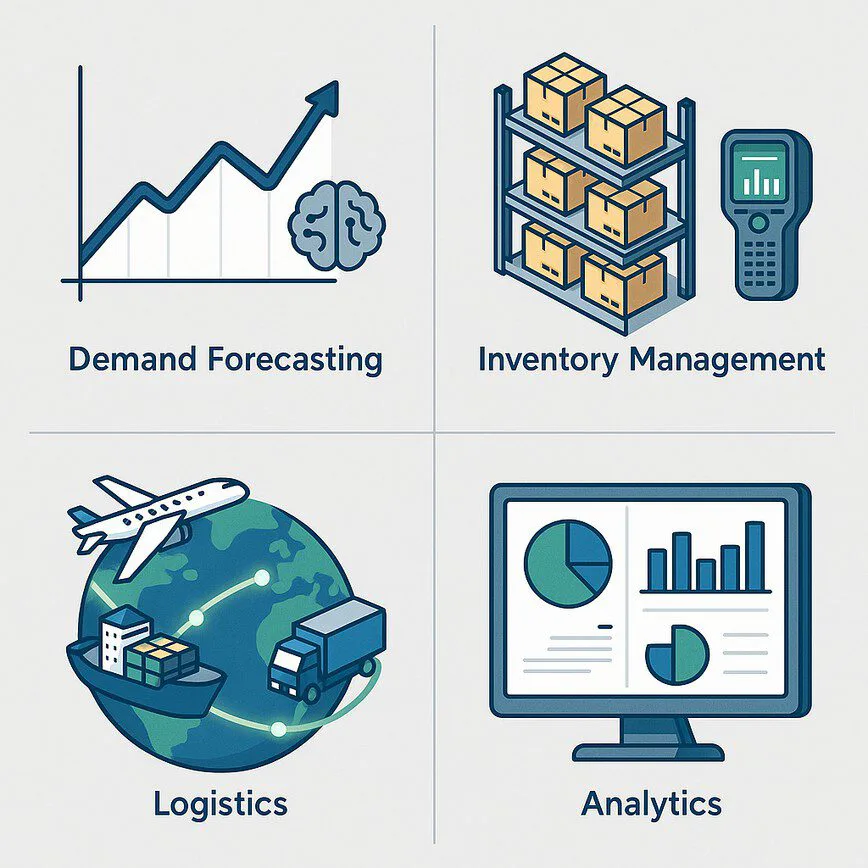
Before diving into specific platforms, it’s crucial to understand the core features that deliver the most value. A robust solution should offer a combination of the following capabilities.
Demand Forecasting and Planning
The ability to accurately predict future customer demand is foundational. Look for software that uses AI and machine learning to analyze historical sales data, market trends, and seasonality to create reliable forecasts.
Inventory Management and Control
Excess inventory ties up capital, while stockouts lead to lost sales. Top-tier software provides real-time visibility into inventory levels across all locations, automates reorder points, and helps implement strategies like just-in-time (JIT) to maintain lean, efficient stock.
Logistics and Transportation Management
This feature helps plan, execute, and optimize the physical movement of goods. It includes route optimization, carrier selection, load management, and real-time shipment tracking to reduce freight costs and improve delivery times.
Analytics and Reporting
What you can’t measure, you can’t improve. The software must have powerful dashboards and reporting tools that translate raw data into actionable insights. This is essential for calculating the return on investment (ROI) of your operational changes. Much like our ROI calculator helps homeowners see the financial benefits of solar, your software’s analytics should clearly demonstrate its value to your bottom line.
The Best Supply Chain Optimization Software of 2025
While the “best” platform depends on your specific needs, several solutions consistently lead the market. Here is our expert comparison of the top contenders for 2025.
1. NetSuite SCM – Best for Integrated Business Operations
Oracle’s NetSuite SCM is a cloud-based platform that integrates supply chain management directly into a broader suite of business tools, including ERP, financials, and CRM.
- Pros: Provides a single source of truth across the entire organization. Highly scalable for growing businesses. Strong inventory and order management features.
- Cons: Can be complex and costly for small businesses or those not needing a full ERP.
- Best For: Mid-to-large enterprises looking for a unified platform to manage every aspect of their business, from finance to fulfillment.
2. SAP Integrated Business Planning (IBP) – Best for Enterprise-Level Forecasting
SAP IBP is a powerhouse for demand planning and operational forecasting. It leverages real-time data and powerful simulation capabilities to help businesses prepare for disruption and align their supply chain with strategic goals.
- Pros: Unmatched demand sensing and forecasting accuracy. Advanced “what-if” scenario planning. Integrates deeply with other SAP products.
- Cons: High implementation cost and a steep learning curve. May be overkill for companies with less complex supply chains.
- Best For: Large, global corporations that require best-in-class forecasting and sales and operations planning (S&OP).
3. Blue Yonder Luminate Platform – Best for End-to-End Visibility
Blue Yonder (formerly JDA) offers an AI-powered platform that connects digital and physical assets to provide end-to-end visibility. It excels at synchronizing planning, execution, and commerce.
- Pros: Strong AI and machine learning capabilities. Excellent for orchestrating complex logistics and warehouse operations. Provides a control tower view of the entire supply chain.
- Cons: The platform’s breadth can be overwhelming to implement without a clear, phased approach.
- Best For: Retail, manufacturing, and logistics companies that need to manage a high volume of moving parts and want a predictive, autonomous supply chain.
4. Infor CloudSuite SCM – Best for Industry-Specific Solutions
Infor provides cloud-based SCM solutions with deep, pre-built functionality tailored to specific industries. This reduces the need for heavy customization and accelerates time-to-value.
- Pros: Industry-specific features and best practices. Strong supplier relationship management and global trade capabilities. Modern, user-friendly interface.
- Cons: May be less flexible for businesses that operate outside its core industry verticals.
- Best For: Businesses in manufacturing, distribution, and service industries looking for a solution that understands their unique challenges out of the box.
How to Choose the Right Supply Chain Management Software
Selecting the right software is a major investment. It requires a thoughtful evaluation process that goes beyond a feature checklist. The process of choosing and implementing a new system is a key part of a holistic strategy to improve your supply chain and logistics services.
- Assess Your Core Challenges: Identify your biggest pain points. Are you struggling with inaccurate forecasts, high shipping costs, or poor inventory turnover? Prioritize software that directly addresses these issues.
- Consider Scalability: Choose a solution that can grow with your business. A cloud-based SaaS model often provides the flexibility to scale users and features up or down as needed.
- Evaluate Integration: The software must integrate seamlessly with your existing systems, such as your ERP, accounting software, and e-commerce platform, to avoid creating data silos.
- Demand a Clear ROI: Before committing, work with the vendor to project the potential ROI. Understand how the software will reduce costs, improve efficiency, and increase revenue.
Partnering for a Smarter Supply Chain
Choosing the best supply chain optimization software is a transformative step toward building a more resilient, agile, and profitable business. The right platform provides the intelligence and control needed to navigate market volatility and exceed customer expectations.
Our work in residential solar solutions has shown us firsthand how a streamlined supply chain—from component sourcing to final installation—is critical for success. This same principle applies to every industry. By leveraging our comprehensive knowledge of complex systems, we aim to provide you with the insights needed to make your next strategic move with confidence.