
Have you ever had a brilliant product idea but lacked the specific engineering skills to build it? Or maybe your in-house team is swamped, and a critical project is falling behind schedule. These are common roadblocks to innovation and growth. But what if there was a strategic way to access world-class engineering talent, exactly when you need it?
Table of Contents
That’s where engineering outsourcing comes in. In this post, we’ll explain exactly what it is, why it’s a game-changer for so many companies, and what you need to know to get started.
What Is Engineering Outsourcing, Exactly?
So, what is engineering outsourcing? At its core, it’s a business strategy where a company hires an external firm or team to handle specific engineering tasks or entire projects.
Think of it like building a house. You could hire a full-time plumber, electrician, and carpenter to keep on your payroll forever, or you can hire expert contractors for each specific job. Outsourcing engineering services works the same way. You’re bringing in specialized experts to execute a project without the long-term overhead of hiring them as full-time employees. This gives you flexibility and access to a deep pool of talent.
Key Benefits: Why Companies Outsource Engineering
The benefits go far beyond just filling a temporary gap. When done right, outsourcing engineering services offers a few key advantages:
1. Access to Specialized Expertise
Your project might require a very specific skill, like finite element analysis or embedded systems design, that your current team doesn’t have. Outsourcing gives you instant access to specialists at the top of their field. It’s like plugging directly into a comprehensive knowledge base tailored to your exact needs.
2. Significant Cost Savings
Hiring a full-time senior engineer is expensive. You have to account for salary, benefits, training, and expensive software and equipment. Outsourcing converts these fixed costs into variable costs, meaning you only pay for the expertise you need, when you need it.
3. Increased Speed and Focus
By handing off complex engineering tasks, you free up your core team to focus on what they do best—like business strategy, marketing, and customer relationships. This parallel processing allows you to accelerate your product development timeline and get to market faster.
Common Types of Outsourced Engineering Work
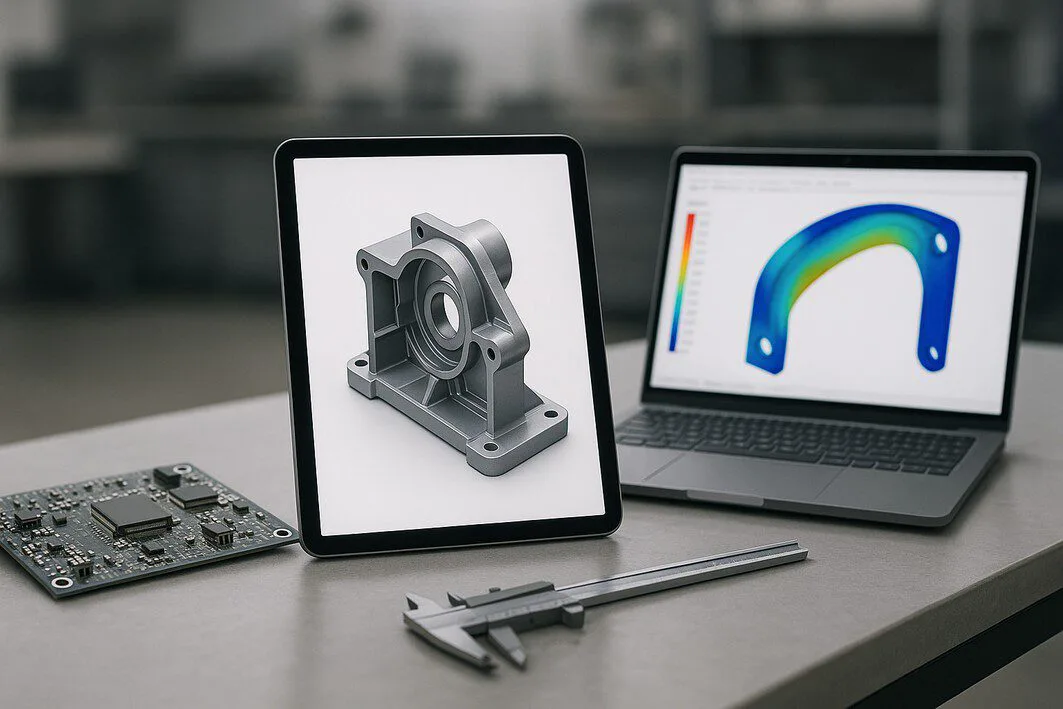
A wide range of services can be outsourced. Companies commonly seek partners for everything from initial concept and design to more complex tasks. Common examples include:
- CAD and 3D Modeling
- Simulation and Analysis
- Product Design and Drafting
- PCB Layout and Design
- Prototyping and Testing
How to Find the Right Partner
Choosing a partner is the most critical step. You’re not just buying a service; you’re building a relationship. Look for a firm with:
- A proven track record in your industry
- Transparent communication processes
- The technical chops to back it up
Before you commit, it’s vital to understand the potential return on investment. A good partner will help you define clear project goals and metrics for success. Making an informed decision is key, and understanding the nuances of choosing the right engineering outsourcing partner can make all the difference between a successful engagement and a frustrating one.
Conclusion: A Strategic Tool for Growth
So there you have it—engineering outsourcing explained. It’s more than just delegating tasks; it’s a powerful strategic tool that allows businesses of all sizes to innovate, scale efficiently, and compete on a larger stage. By tapping into external expertise, you can build better products, faster, and more cost-effectively.