

Turning a brilliant idea into a successful product rarely happens by chance. It’s the result of a deliberate, well-researched, and meticulously planned journey. At the heart of this journey lies a robust product development strategy—a detailed roadmap that guides your team from initial concept to market launch and beyond. Without one, even the most innovative ideas can falter due to:
- Misaligned goals
- Wasted resources
- Missed market opportunities
Table of Contents
This guide will walk you through the essential components of creating a winning strategy. We’ll explore the core types of product development, outline a step-by-step process for building your plan, and show you how to turn that strategy into a market-ready reality.
What is a Product Development Strategy?
A product development strategy is the high-level plan that outlines the process of bringing a new product to market or improving an existing one. It defines the product’s goals, identifies the target audience, details the necessary steps for creation and launch, and sets the metrics for success. Think of it as the blueprint for innovation, ensuring every decision made aligns with the overarching business objectives.
Why a Solid Strategy is Non-Negotiable for Success
Investing time in building a comprehensive strategy isn’t just a box-ticking exercise; it’s a critical factor for success. A clear strategy provides:
- Clarity and Focus: It aligns all stakeholders—from engineers to marketers—on a single vision, preventing confusion and ensuring everyone is pulling in the same direction.
- Risk Mitigation: By front-loading market research and validation, you can identify potential pitfalls early and pivot before investing significant time and capital.
- Efficient Resource Allocation: A clear plan helps you allocate budget, time, and personnel effectively, maximizing your return on investment.
- Faster Time-to-Market: With a defined roadmap, teams can work more efficiently, avoiding unnecessary delays and getting the product into customers’ hands sooner.
The 4 Major Types of Product Development Strategies
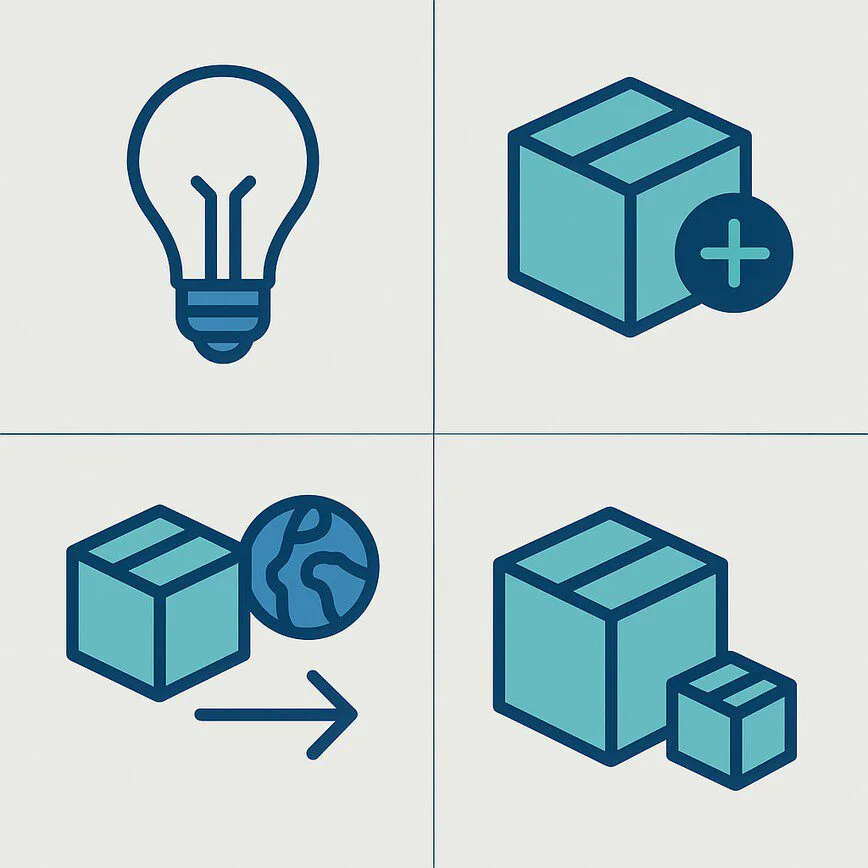
Not all product development is about creating something from scratch. Your strategy will depend on your goals, market position, and existing product portfolio. Generally, these efforts fall into four main categories.
1. New Product Development
This is the most ambitious approach, involving the creation of an entirely new product for a new or existing market. It carries the highest risk but also offers the greatest potential reward by opening up new revenue streams and establishing market leadership.
2. Product Improvement
This strategy focuses on making significant enhancements or modifications to an existing product. It could involve adding new features, improving performance, or updating the design to better meet customer needs and stay ahead of competitors.
3. Market Development Strategy
A market development strategy involves taking an existing, successful product and introducing it to a new market or customer segment. This could mean expanding into a new geographic region, targeting a different demographic, or finding new use cases for your product.
4. Product Line Extension
This involves adding new variations to an existing product line. Think of a smartphone company releasing a “pro” or “mini” version of its flagship model. This strategy leverages brand equity to capture a wider range of customers with different needs and price points.
Step-by-Step Guide to Building Your New Product Development Strategy
Ready to build your own plan? Follow these essential steps to create a new product development strategy that sets you up for success.
Step 1: Ideation and Market Research
Every great product starts with an idea. But an idea is only valuable if it solves a real problem for a specific audience. This stage involves:
- Brainstorming: Generate ideas based on customer feedback, market gaps, competitor analysis, and internal innovation.
- Market Validation: Conduct thorough research to confirm there is a genuine need for your proposed solution. Who is the target customer? What are their pain points?
- Competitive Analysis: Analyze what competitors are doing. Where are they succeeding, and where are their weaknesses?
Step 2: Defining Your Product Vision and Goals
With a validated idea, you need to define what success looks like. Your product vision should clearly articulate the product’s purpose, its target audience, and the value it delivers. Set SMART (Specific, Measurable, Achievable, Relevant, Time-bound) goals for key metrics like revenue, market share, or customer acquisition.
Step 3: Creating a Detailed Roadmap
The product roadmap translates your strategy into an actionable plan. It visualizes the timeline for development, outlining key phases, milestones, and deliverables. This roadmap should be flexible enough to adapt to new information but concrete enough to guide the development team’s day-to-day work.
Step 4: Prototyping and Validation
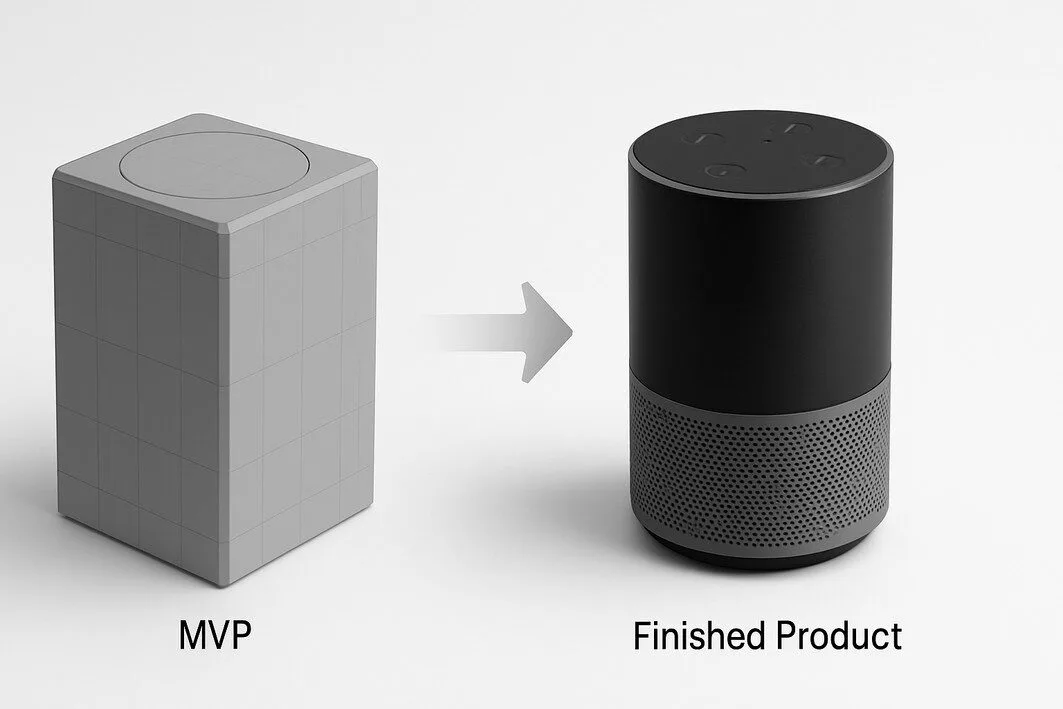
Before committing to full-scale development, create a Minimum Viable Product (MVP) or prototype. An MVP is a bare-bones version of your product with just enough features to be usable by early customers. The goal is to gather feedback, validate your assumptions, and make necessary improvements before investing further.
Step 5: Finalizing the Go-to-Market (GTM) Plan
How will you launch, market, and sell your product? Your GTM plan should detail your pricing strategy, sales channels, marketing campaigns, and customer support plan. A strong GTM ensures your product makes a powerful first impression and reaches the right audience effectively.
Putting It All Together: From Strategy to Execution
A winning product development strategy is more than just a document; it’s a living guide for your entire product lifecycle. It connects your high-level business goals to the tangible work of designing, building, and launching a product that customers will love. Executing this strategy requires a deep understanding of each phase, from ideation to launch. For a detailed breakdown of the end-to-end product development lifecycle, our comprehensive guide covers every critical stage.
By following this framework, you can move from a simple idea to a market-leading product with confidence and clarity, ensuring your hard work and investment translate into tangible success.